
Common Mistakes to Avoid in Drywall Installation & Repair
Introduction to Drywall Installation
Drywall installation is a crucial aspect of interior construction, providing a smooth surface for painting and decorating. However, even seasoned DIY enthusiasts can make mistakes that compromise the quality of the finish. Understanding and avoiding common errors can save time and resources.
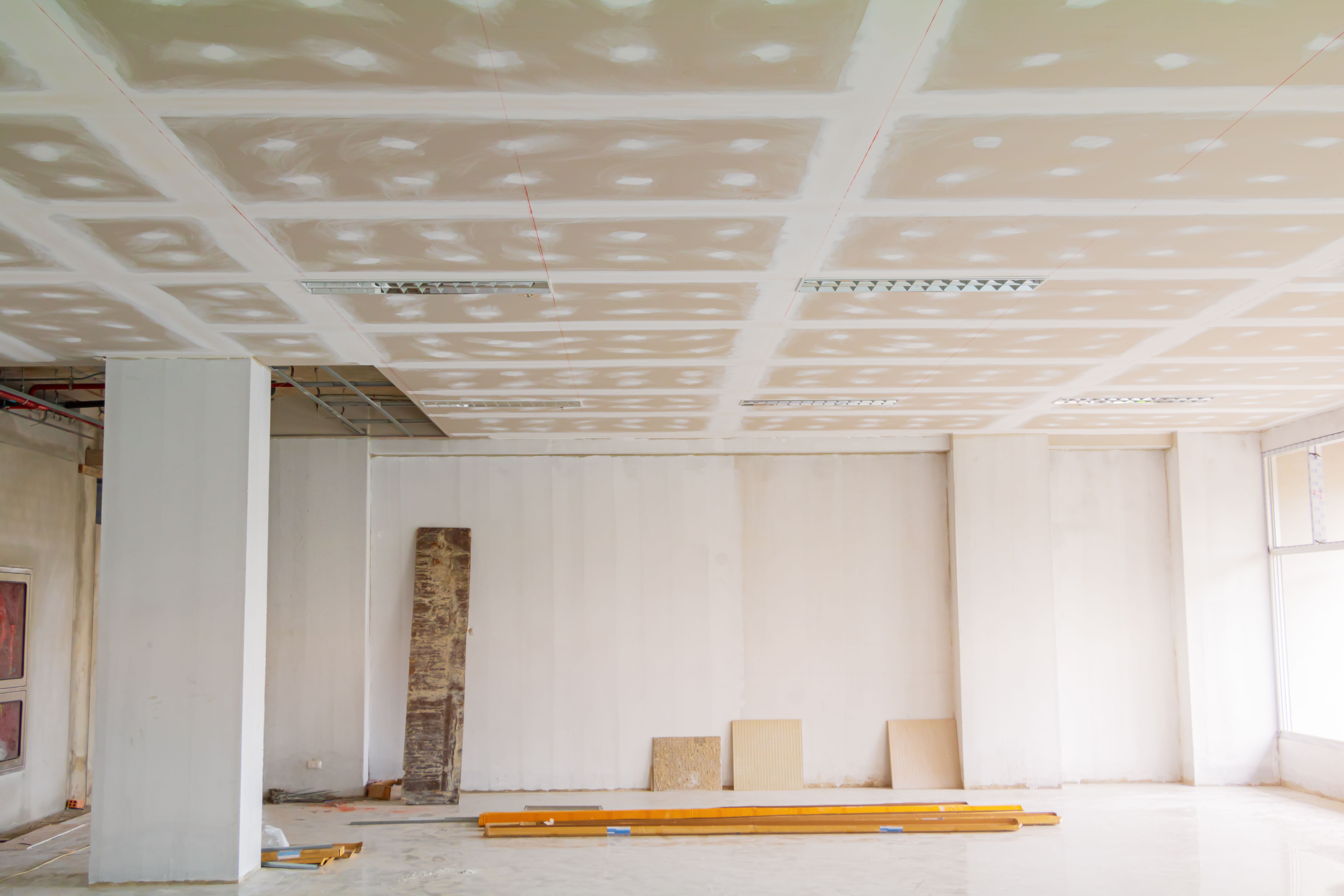
Choosing the Wrong Type of Drywall
One of the most common mistakes is selecting the incorrect type of drywall for a specific area. There are various types, such as standard, moisture-resistant, and fire-resistant drywall. Selecting the wrong type can lead to issues like mold growth or inadequate fire protection. Always assess the needs of your space before purchasing materials.
Improper Measurement and Cutting
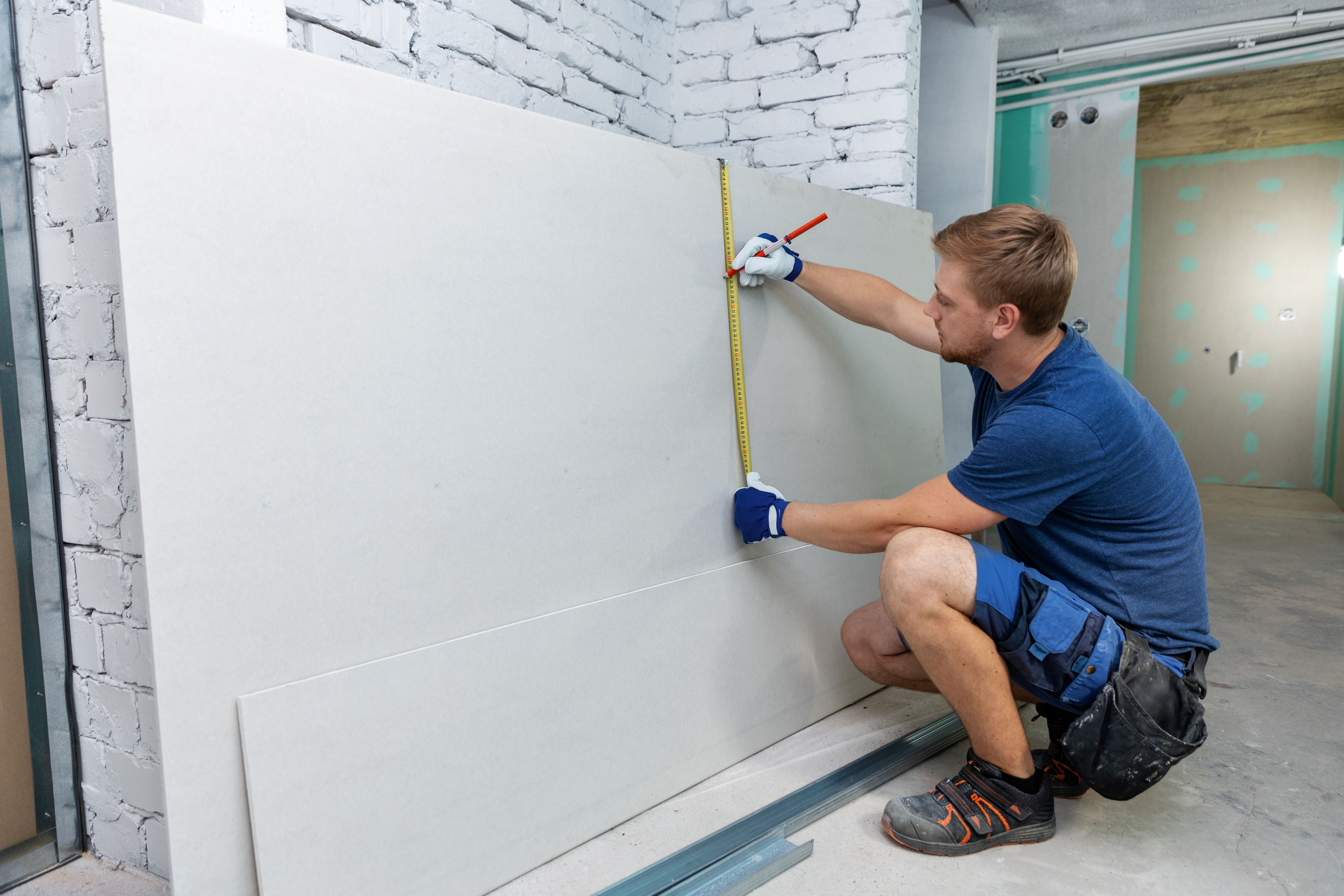
Accurate measurement is critical in drywall installation. Incorrect measurements can lead to wasted materials and unsightly gaps. Use a tape measure and make sure all measurements are precise. When cutting, ensure your tools are sharp and that you follow the measured lines closely to avoid uneven edges.
Incorrect Fastening Techniques
Another common error is using the wrong fastening techniques. Drywall screws should be driven just below the surface without breaking the paper. Over-tightening can damage the board and weaken the structure. Use a screw gun or drill with adjustable settings for precision.
Common Errors in Drywall Repair
When it comes to repair, many people underestimate the importance of proper technique. Repairing drywall might seem straightforward, but there are pitfalls to avoid.
Skipping the Primer
After patching drywall, it's critical to prime the area before painting. Skipping this step can cause the paint to absorb unevenly, resulting in visible patches. Always apply a primer to achieve a consistent finish.
Neglecting Sanding
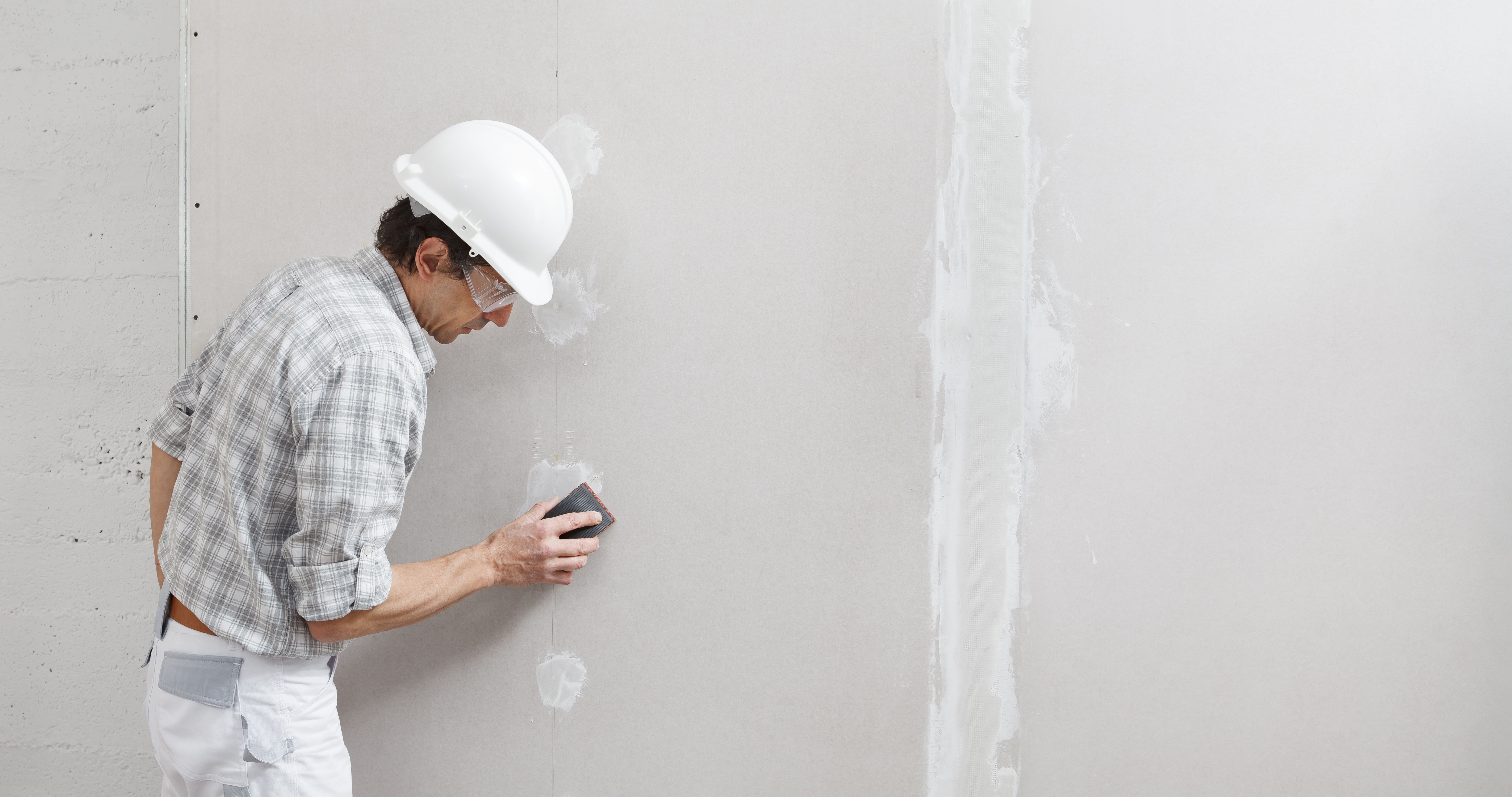
Sanding is a vital step in both installation and repair. Failing to sand the joints and patched areas thoroughly can leave rough surfaces that are noticeable even after painting. Use fine-grit sandpaper and ensure the surface is smooth before applying paint.
Using Incorrect Compound
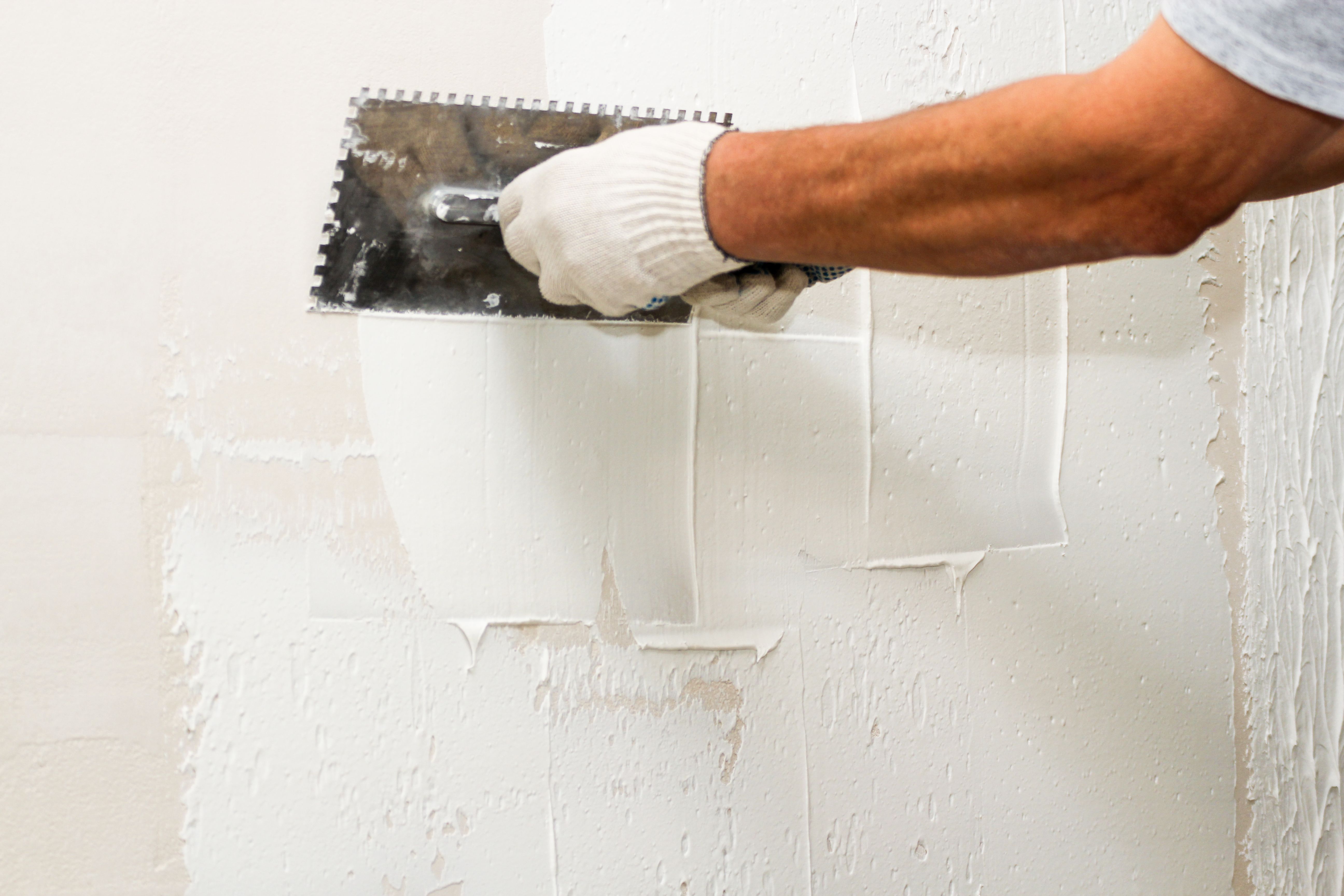
Not all joint compounds are created equal. Using the wrong type can lead to cracking or peeling. It's essential to choose the appropriate compound for the task at hand, whether it's taping, topping, or all-purpose compound.
Conclusion
Avoiding these common mistakes in drywall installation and repair can lead to a smoother, more professional-looking finish. By paying attention to details and using the right materials and techniques, you can achieve a high-quality result that enhances the beauty and functionality of your space.